common arts
The common arts are the skills by which human beings provide for ordinary needs, care for households and communities, and shape the material world with wisdom. Cooking, cleaning, gardening, preserving, decorating, and woodworking are not lesser forms of learning. They are embodied ways of loving one’s neighbor. They are training for wise hands.
At Chatt Classical, the common arts belong beside the liberal and fine arts as part of a whole education. Students learn not only to think truly and speak beautifully, but also to act skillfully. They learn to prepare food, tend a garden, keep a place in order, preserve the harvest, make a table beautiful, and build or repair useful things. These practices connect wisdom with action, beauty with usefulness, and freedom with responsibility. The common arts also support a student by developing dexterity and providing concrete experiences to which students later connect abstract learning.
practiced in community
The common arts are not learned only by hearing about them. They are learned by repeated practice: repetitio mater memoriae—repetition is the mother of memory. Students grow in skill through recurring habits of preparation, attention, service, correction, and delight.
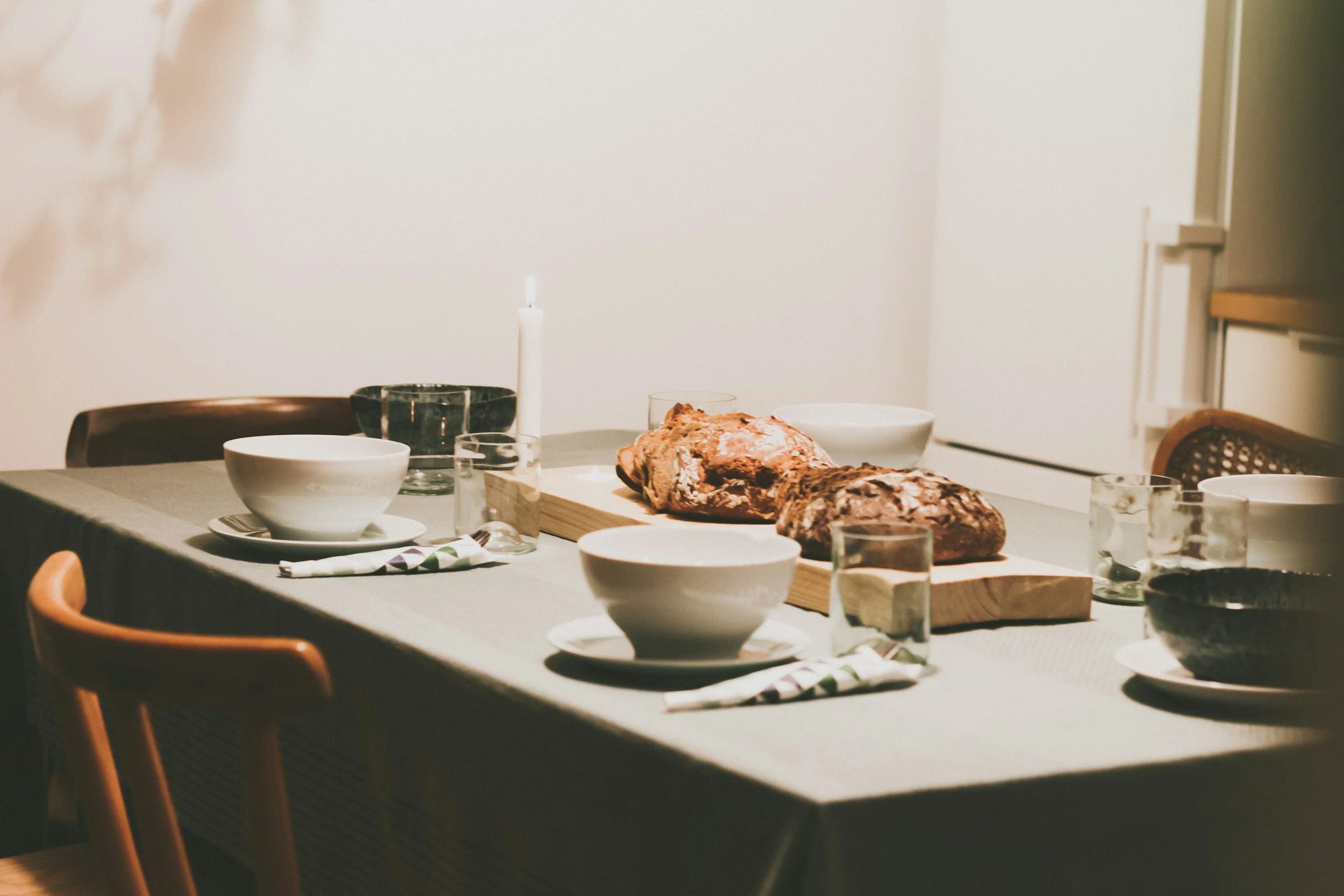
One important rhythm for this practice is our Tertulia Lunches. Around shared meals, students have opportunities to cook, clean, decorate, preserve, serve, host, converse, and welcome others. A lunch table becomes more than a place to eat. It becomes a place to practice hospitality, order, gratitude, conversation, and joy.
launch offerings
As Chatt Classical begins, our first year’s common arts emphasis will include:
Cooking & Baking: Students learn the practical and hospitable work of preparing food for themselves and others. Cooking & baking skills also reinforce unit conversion, fractions, and chemistry.
Cleaning & Order: Students practice caring for shared spaces, leaving rooms better than they found them, and understanding that order can be a form of service.
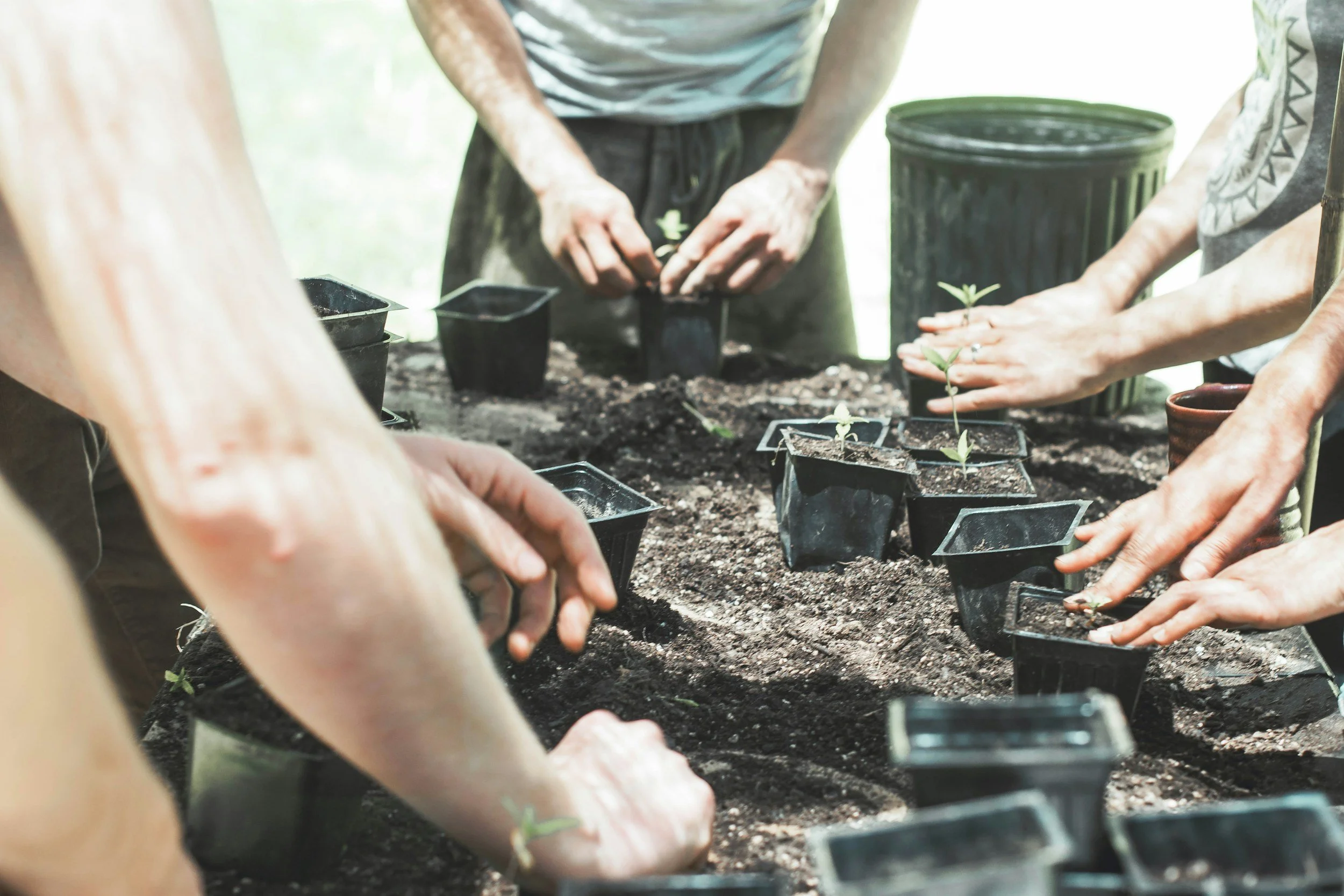
Gardening: Students cultivate patience, observation, stewardship, and delight through tending living things. Gardening also teaches preliminary skills related to project and risk management.
Preserving: Students learn to receive abundance gratefully and extend it prudently through practices such as pickling, canning, drying, fermenting, or other age-appropriate preservation methods.
Decorating: Students practice beauty in ordinary life: preparing spaces for events and making welcome visible. Student artifacts, if shared, will also become a part of the school’s built environment.
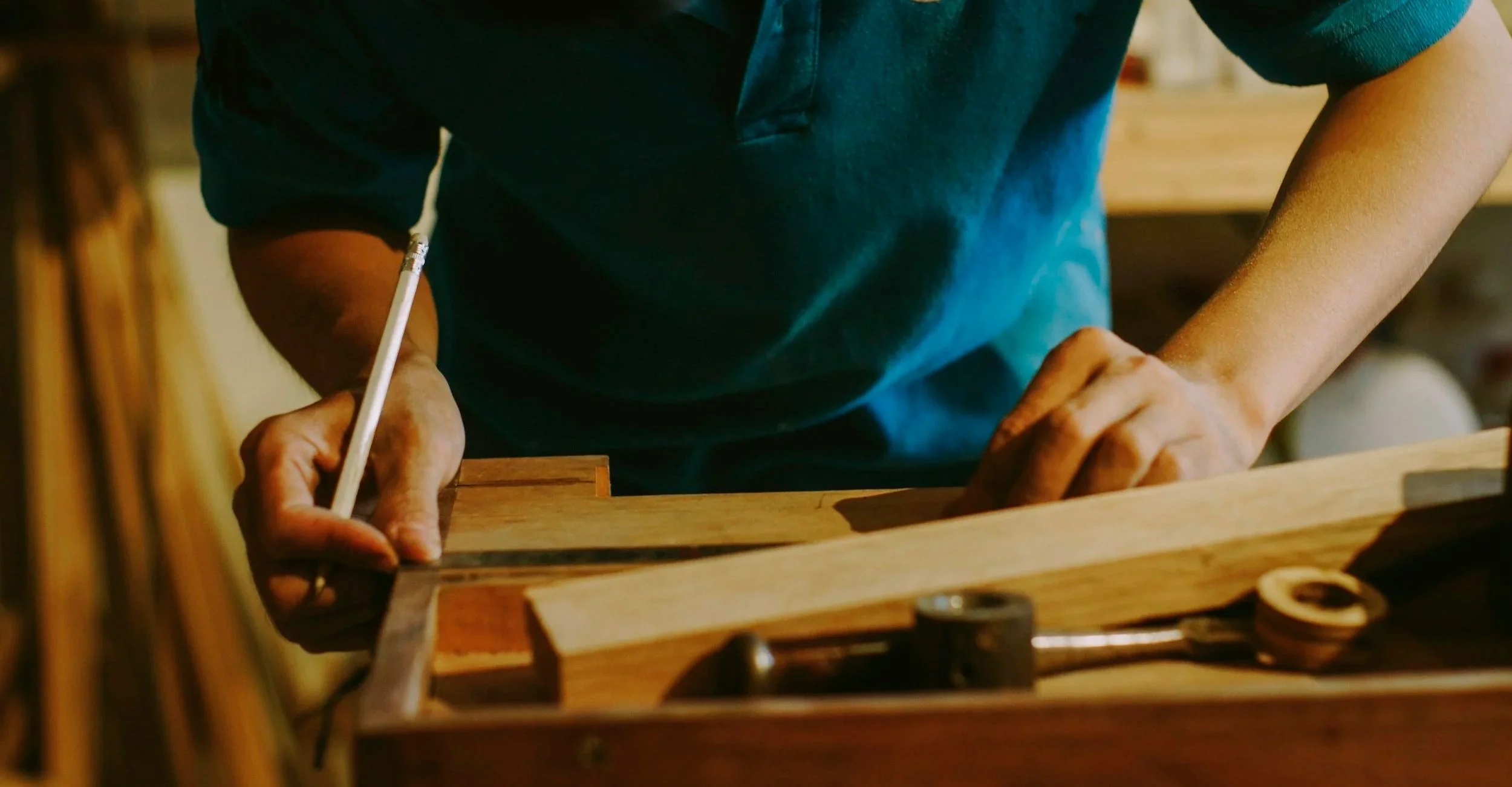
Woodworking: Students learn measurement, patience, tool use, craftsmanship, repair, and the satisfaction of making something useful. Woodworking dovetails with our study of geometry.