
Writing instruction is about more than mechanics and word choice—and far more than merely churning out assignments. At its best, it teaches students to attend carefully, to think truthfully, to remember what is worthy, and to give beautiful, shareable form to what they have seen and understood.
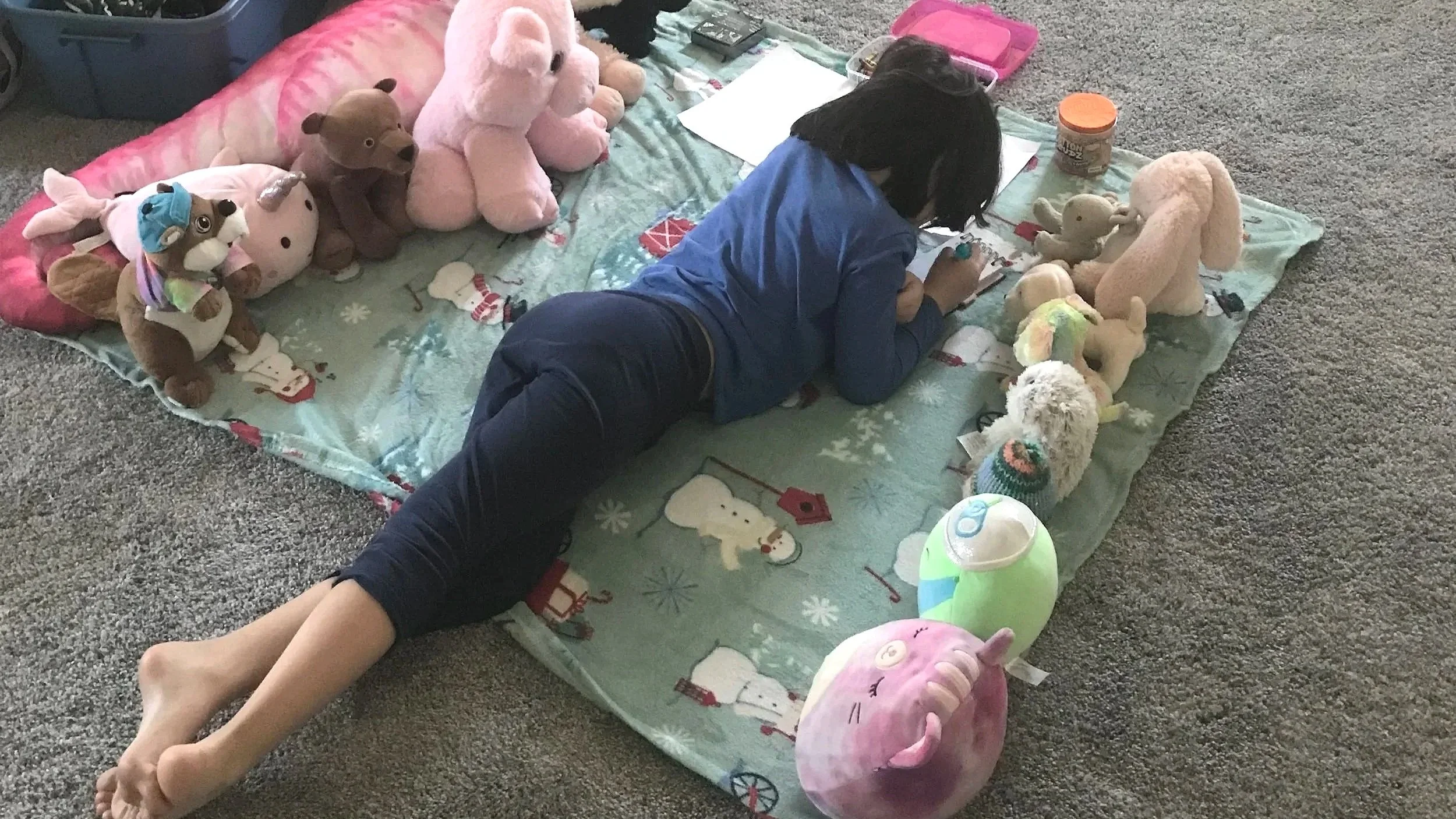
In 2019, I wrote an article for Classical Academic Press titled “Giving Form to Lofty Ideas: Writing Prompts for Your Student.” It suggests several ways young writers can practice the arts of language through fables, family stories, wise sayings, reading journals, descriptions of art, handwritten correspondence, and prayer. These may be especially helpful for students and parents seeking ways to maintain or deepen good writing habits over the summer.
These are modest exercises, but their purposes are not small. A child who learns to describe something beautiful, preserve the story of an elder, praise a wise action, or compose a thoughtful letter is learning that words belong within a joyful shared life. Writing is one way to pay attention. Writing can be used to express gratitude or extend hospitality. Through writing, we can worship God and serve our neighbors. After all, we serve the God who, through the Word and through words, made all things and holds all things together. (John 1; Colossians 1)
When we handle words with dexterity and seek to make something fitting and beautiful, we show that we are indeed made in the image of God. In our creaturely way, we joyfully reflect the mind of the Maker.
This understanding continues to shape the vision of Chattanooga Classical Academy. We want students not merely to complete writing exercises, but to become masterful wordsmiths who can communicate truth with clarity, honor what is good, and contribute something beautiful to their families and communities.
Originally published by Classical Academic Press on August 1, 2019.